The Real ROI of Custom Software vs SaaS
SaaS subscriptions add up fast. An honest look at when building your own tool beats paying for off-the-shelf.
The standard advice for most businesses: just use a SaaS tool. Need a CRM? Salesforce. Project management? Monday.com. Invoicing? FreshBooks. For many companies, that's the right move, especially early on. But there's a tipping point where SaaS subscriptions get more expensive, more limiting, and more frustrating than just building something that fits your actual workflow.
The Hidden Costs of SaaS
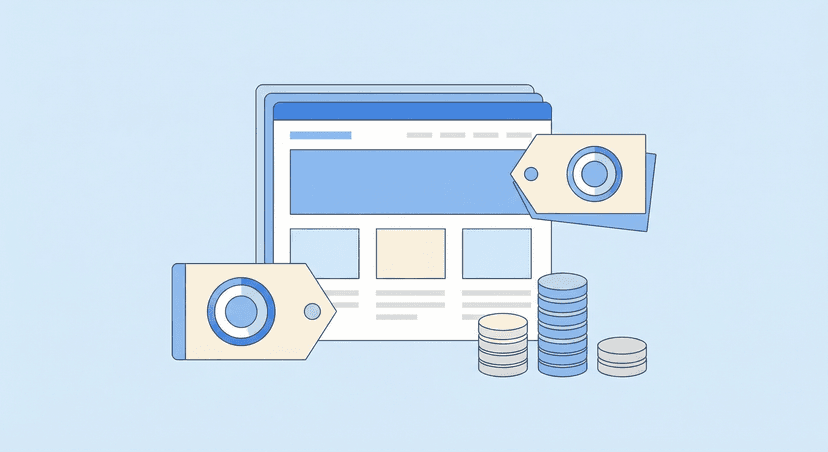
SaaS pricing looks great at first. $20/user/month sounds reasonable. But scale that to 50 users across three tools and you're staring at $36,000+ per year. Every year. Forever. Add premium tiers for features you actually need, API access fees, per-seat charges for occasional users, and the real cost is often 2-3x the sticker price. Meanwhile you're paying for dozens of features you'll never touch while missing the one workflow integration that would actually save your team hours every week.
When Custom Software Makes Sense
Custom software isn't right for everything. But it shines in specific cases: your business process is your competitive advantage and shouldn't be shaped by generic tools; you need tight integration between systems that SaaS vendors don't connect; per-user pricing makes scaling way too expensive; or data privacy means you need full control over where data lives. In these cases, the upfront investment pays for itself within 12 to 24 months.
Calculating the Real ROI
To compare fairly, look at total cost of ownership over 3 to 5 years. For SaaS: subscription fees, integration costs, training, productivity lost to workarounds. For custom software: development, hosting, maintenance, iteration. With mid-sized businesses, we see custom solutions break even around month 18 and deliver real savings from year three on. Plus the intangible value of a tool that actually fits how your team works.
The Hybrid Approach
Doesn't have to be all-or-nothing. Many of our clients use a hybrid approach: SaaS for commoditized stuff like email and accounting, custom-built tools for the workflows that define their business. We've built dashboards that pull data from multiple SaaS APIs, internal tools that automate processes no off-the-shelf product covers, and client portals that plug into existing systems.
Custom software isn't always better than SaaS. The real question is where each one fits in your stack. If you spend more time working around your tools than with them, it might be time to look at what a purpose-built solution could do.